Silicone Roof Coating in Maine
Roof Coating Systems That Stop Ongoing Leaks
Extend the life of your roof with a Silicone Roof Coating in Bangor and beyond for flat or low-slope roofs experiencing ponding water and seam failure
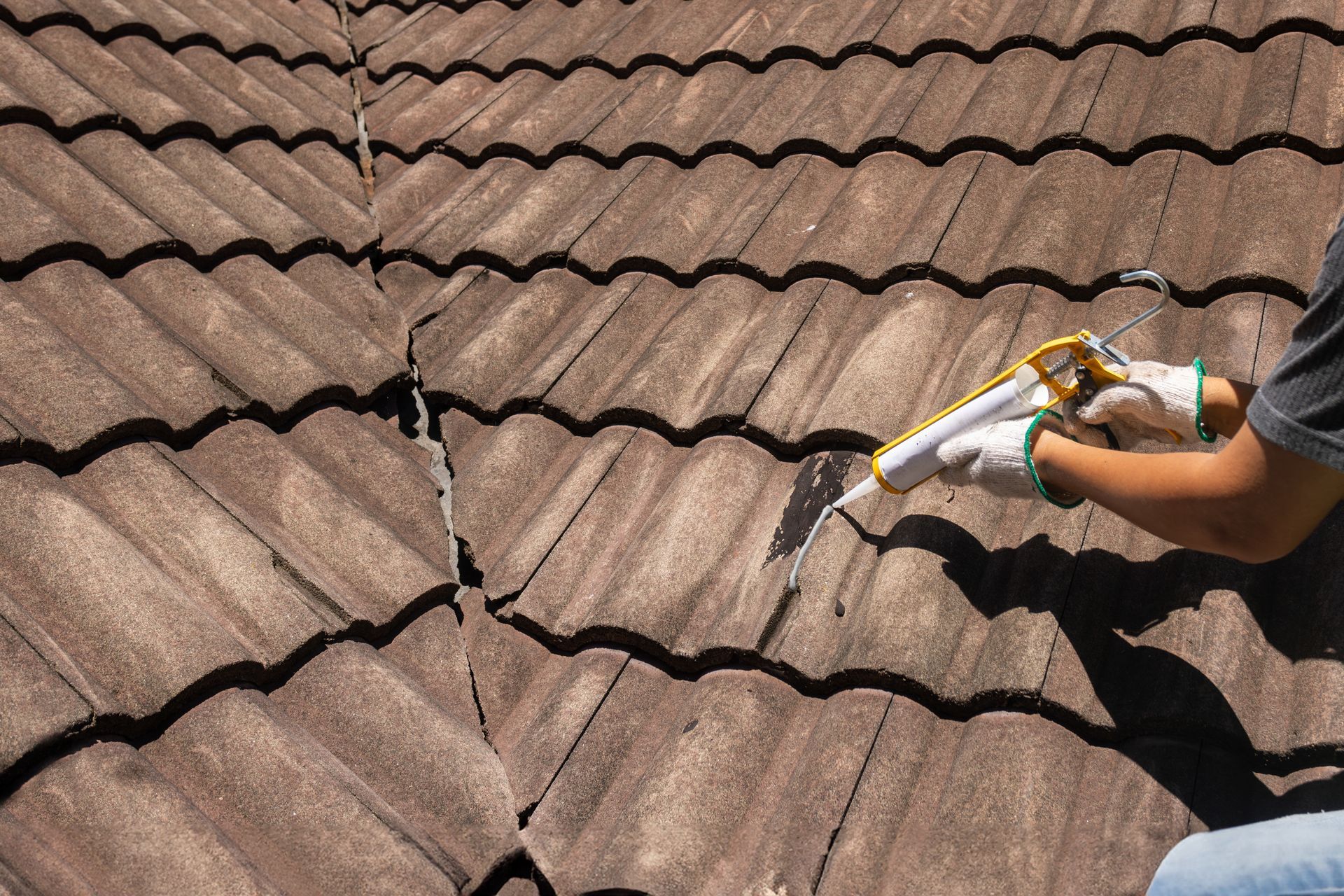
Flat commercial roofs develop leaks most often at seams where membrane sections join, around penetrations where pipes or vents interrupt the surface, and in areas where water pools for more than forty-eight hours after rain. Silicone roof coating is a liquid-applied membrane system that cures into a continuous rubber layer, eliminating the seams that create failure points in rolled roofing materials. The application process involves cleaning the existing roof surface, repairing damaged areas, and rolling or spraying the silicone in multiple coats to achieve the specified thickness—typically twenty mils dry film for restoration projects. Smith Builders applies silicone coating systems to commercial roofs throughout Maine, extending the functional life of existing membranes without the cost and disruption of complete tear-off and replacement.
Silicone remains flexible across the temperature range common to Maine, from winter lows that can reach negative twenty degrees to summer roof surface temperatures exceeding one hundred sixty degrees, without the cracking that affects acrylic coatings in freeze-thaw cycles. The material repels water immediately upon contact rather than absorbing moisture, which prevents the blistering and delamination that occurs when water-based coatings get saturated during extended rain.
Schedule a roof inspection to identify existing damage that requires repair before coating application and to verify the substrate is compatible with silicone adhesion.
READY TO GET STARTED ON YOUR Silicone Roof Coating?
REQUEST A QUOTE NOW!
Note: By providing a telephone number and submitting the form you are consenting to be contacted by SMS text message. Message & data rates may apply. Reply STOP to opt out of further messaging.
By opting in to receive promotional updates, you agree to receive SMS messages from Smith Builders related to roofing services, estimates, project updates, appointment reminders, and general customer communication. You may reply STOP to opt-out at any time. Reply HELP to (207) 573-9000 for assistance. Messages and data rates may apply. Message frequency will vary. Learn more on our Privacy Policy and Terms & Conditions.
What Changes After Silicone Application
Surface preparation determines coating performance—the existing roof must be dry, and all loose material, dirt, and biological growth must be removed before application begins. Silicone is applied in multiple passes to build up the required thickness, with particular attention to detail work around roof penetrations and at parapet walls where flashing transitions occur. The material self-levels to some degree but requires deliberate technique to avoid thin spots in valleys and excessive buildup on high points.
Once cured, the roof surface appears uniformly white or light gray, reflecting solar radiation that previously heated the building and increased cooling costs during summer months. Water beads and runs off immediately rather than soaking into porous areas or pooling in depressions, and the seamless membrane eliminates the lap joints and fastener penetrations where leaks previously developed during wind-driven rain events.
Silicone coating does not fix structural problems such as inadequate drainage or deck deflection that allows water to pond—these underlying issues must be addressed separately or the coating will simply cover problems that continue to worsen beneath the surface. The system also requires recoating every ten to fifteen years as UV exposure gradually degrades the top surface layer, though the material underneath remains intact and functional.
Common Questions About This Service
Building owners evaluating coating as an alternative to roof replacement typically want to understand what the process involves and what limitations apply.
What existing roof types can be coated with silicone?
The coating adheres to most single-ply membranes, modified bitumen, built-up roofing, metal, and spray foam substrates, but the existing surface must be structurally sound with less than twenty-five percent damage, and certain contaminated or severely degraded materials require removal before coating.
How long does silicone roof coating last?
A properly applied system typically lasts ten to fifteen years before requiring a maintenance coat, with total system life extending twenty to thirty years when recoated at appropriate intervals, though performance depends on roof slope, drainage effectiveness, and exposure to foot traffic or debris.
Why does ponding water matter for coating performance?
While silicone resists water absorption better than other coatings, areas where water stands continuously experience accelerated UV degradation and dirt accumulation that reduces reflectivity, and addressing drainage issues before coating produces better long-term results than coating over persistent ponding areas.
What preparation work does coating require?
All loose material must be removed, damaged areas must be patched or reinforced with fabric, and the surface must be cleaned to remove dirt and biological growth that prevents adhesion—this prep work often represents forty percent of the total project cost for roofs in Glenburn with significant existing deterioration.
When should a roof be replaced instead of coated?
Replacement becomes necessary when the roof deck shows structural damage, when more than twenty-five percent of the membrane requires repair, or when multiple layers of previous coatings have already been applied and adding more thickness would create drainage problems or exceed load capacity.
Smith Builders evaluates commercial roofing conditions across Maine to determine whether coating is appropriate or whether underlying damage requires more extensive intervention. Contact our office to arrange a roof assessment that includes moisture testing and structural evaluation before proceeding with any restoration approach.
Bundle & Save: Smith Builders Roofing & Exterior Services




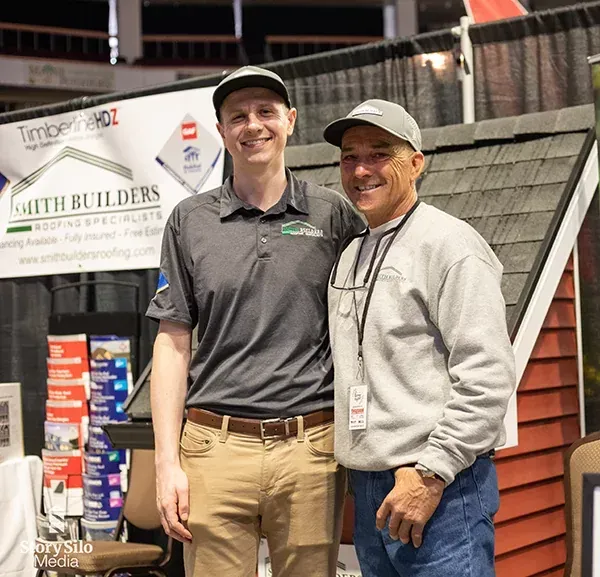
We're Proud to Be A Locally-Owned Maine Roofing & Exteriors Contractor; Trusted By Our Customers Since 1993.
We are a Maine company protecting Maine properties. We’ve replaced hundreds of roofs throughout the state and we stand by the work that we do.
We have a transparent and educational sales process and communicate with you through every step of the process. You’ll have a dedicated project manager who will be your point-of-contact from start to finish.
You have plenty of options when it comes to replacing your roof. Why choose Smith Builders? Here are just a few reasons:
Financing Available
We partner with Payzer to offer financing to our customers.
We also accept cash, checks or credit cards (there is no fee to pay with a credit card)
5-Star Customer Service
From the first time you reach out to us until the work is done you'll receive excellent customer service. You'll have a dedicated Project Manager who knows your project inside and out and can answer any questions you may have before, during and after the installation process.
